
What Being a Mascot Taught Me About Marketing
Last week, I was at the 125th anniversary celebration for Welke’s Milwaukee Florist when I met a young member of the family who is just starting his career in marketing at Sendik’s (a local grocery market chain). Then, this past Wednesday, I happened to be watching the noon news when a story came on about the new Sendik’s that had just opened up the road from me in Whitefish Bay. The brand-new store was built on the site of the original Sendik’s from 100 years ago. Like Welke’s, Sendik’s was throwing a grand party to celebrate.
There, at the grand opening, was a giant red Sendik’s shopping bag overflowing with groceries, with long legs and a smiley face. A mascot! I immediately wondered if the young marketer I had met at the Welke’s event was inside that bag. I still don’t know, but the thought sent me straight back about 20 years to one of my own early marketing jobs, when I was a mascot, too. I was CleanHound.
Becoming CleanHound
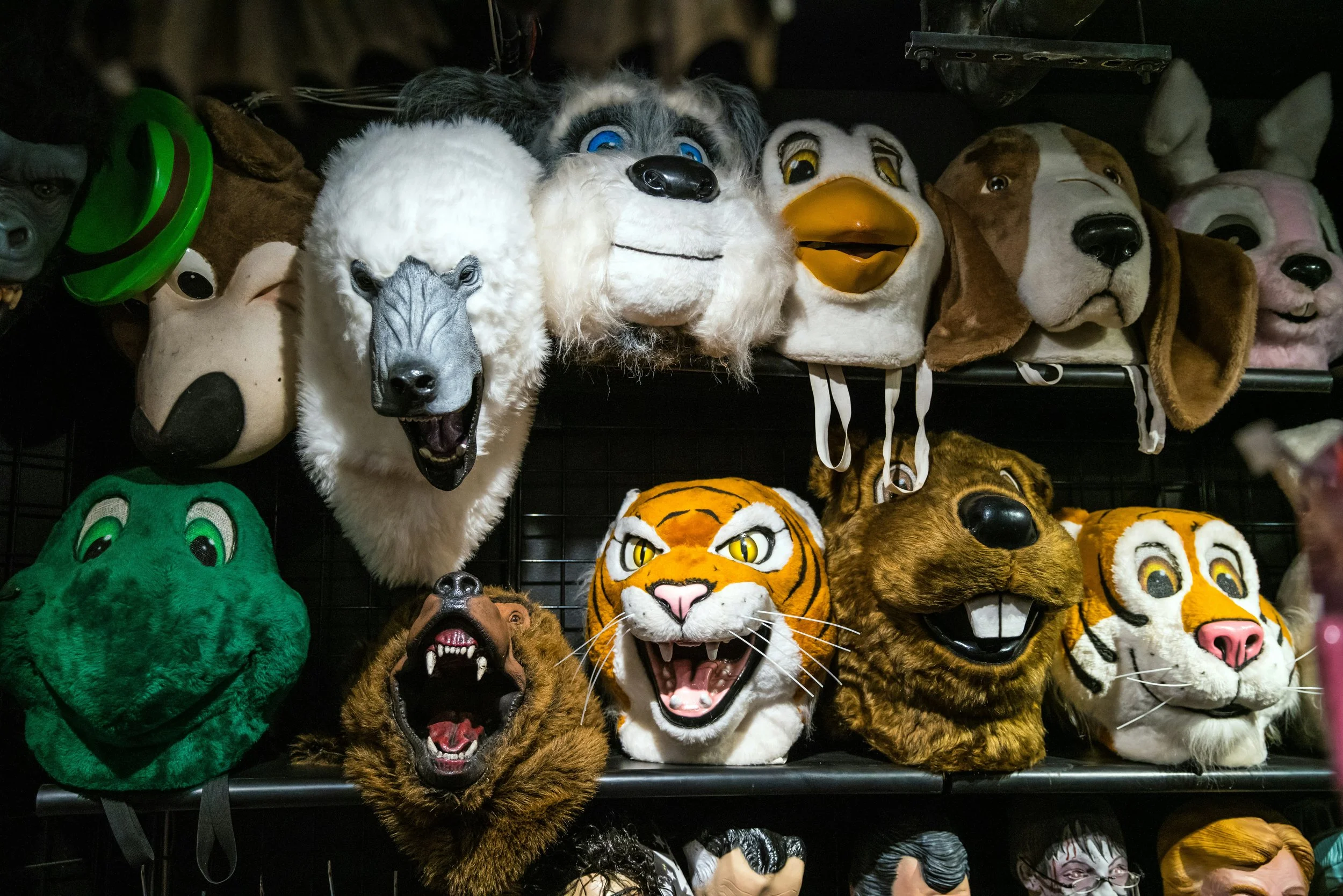
CleanHound was the mascot for an early vertical search engine serving the commercial cleaning industry. Vertical search engines were all the rage at the time, and my boss and I came up with the idea of creating a mascot to help get the brand noticed at industry trade shows. I eagerly volunteered to get into the suit, partly because I believed in the idea, partly because I was all-in on the job and partly because I was the only person on the marketing team who could moonwalk. So there I was, touring B2B trade shows looking a little like McGruff the Crime Dog quit fighting bad guys to pursue a career in commercial cleaning.
Being CleanHound was hot. Literally. I lost a few pounds at every trade show. I had a battery-powered cooling fan hidden in my snout and ice packs stuffed into my pockets, and I loved it. CleanHound became a hit. People wanted photos, and at one point, we were getting requests for 8-by-10 glossy headshots, autographed, of course. More important, it worked. The product itself is long gone, but CleanHound absolutely generated brand awareness. Twenty years later, I’m still friends with many of the people I worked with then, and we still laugh about it.
Brand Strategy Is More Than What You Say
Looking back now, though, I realize being CleanHound also taught me some surprisingly important things about marketing. We use phrases like “live the brand” and “bring the brand to life” all the time in this business. I have lived the brand. The brand had a battery-powered fan in its nose and ice packs in its pockets.
When I put on that suit, Cory disappeared. People weren’t interacting with a member of the marketing team. They were interacting with CleanHound. I couldn’t explain our positioning, walk someone through our value proposition or tell them what we wanted the brand to represent. All I could do was behave like the brand. Was CleanHound approachable? Fun? Memorable? Did people want to engage with him? Did he make them curious about what we did? Apparently, he could moonwalk.
It took me years to recognize what a valuable lesson that was. Brands aren’t ultimately experienced through strategy decks, messaging frameworks or brand guidelines. They’re experienced through what they do, how they behave and how they make people feel. Wearing the suit made that idea remarkably literal.
What Listening Taught Me About Marketing
The other important thing about being CleanHound was that I couldn’t talk, which meant that inside that dog suit, I became a surprisingly effective market researcher. I wandered the trade show floor silently and listened. I heard people encounter our company for the first time and describe what they thought we did. I heard where they understood the offering and where they didn’t. I listened to our sales team talk with prospects and heard when they nailed the value proposition, where they struggled to articulate it, what questions buyers asked and when the message suddenly clicked.
It was almost like being a spy. There I was, more visibly representing the brand than anyone else in the room while simultaneously being the most invisible member of the marketing team. I couldn’t jump into a conversation, correct a misunderstanding or explain what we meant. I just had to listen. In retrospect, it may have been some of the best accidental market research of my career.
There’s another part of the experience that means more to me now that I’ve spent years building and leading teams: I raised my hand. Nobody forced me into the dog suit. My boss and I had an idea, and I wanted to make it happen. Looking back, I appreciate that younger version of myself a little differently now. She was willing to be uncomfortable and look ridiculous. She was curious enough to try something different and invested enough in the company’s goals to say, essentially, “Sure. I’ll be the dog.”
Today, if a young marketer working with me volunteered to spend hours sweating inside a mascot suit because they believed it could help a brand break through, I’d probably tell them to drink plenty of water. I’d also make a mental note to keep that person around.
The funny thing is that CleanHound isn’t even an unusual story among the marketers in my life. My mentor was a mascot early in her career. My husband, who has spent his career in advertising and customer experience, was the legendary Little Caesars mascot in small-town parades. The first intern I ever managed was also a mascot at another job. Apparently, there is a secret society of former mascots scattered throughout the marketing profession.
How Do Young Marketers Learn to Embody a Brand?
Maybe that’s why seeing the Sendik’s bag walking around stuck with me. It made me think about the strange experiences we have early in our careers that turn out to be formative ones. Nobody put “spend several hours silently observing prospects while dressed as a dog” into my professional development plan, but that’s exactly what it was. So were standing at trade show booths, overhearing sales conversations, watching experienced colleagues handle difficult situations, trying ideas that worked and ideas that bombed, solving problems on the fly and doing jobs that weren’t technically ours because the team needed someone to do them. A lot of learning happened simply because we were there.
That makes me wonder about young marketers starting their careers today. So much of marketing happens through screens, and so much of our work happens on teams that aren’t always in the same place. There are enormous advantages to both. But I wonder whether one consequence is that some of those immersive, all-in experiences are harder to come by.
I’m sure there are equivalents today. The experiences don’t have to look like mine did, and they certainly don’t require a dog suit. But I do think those of us who lead and mentor young marketers should be intentional about creating opportunities for them to get close to customers, learn from people outside their own disciplines, experiment, take a risk and occasionally raise their hands for something a little ridiculous because they believe it might work.
Because the real lesson of CleanHound wasn’t how to be a mascot. It was how to become the brand. For a few hours at a time, I couldn’t rely on a tagline, a sales pitch or a carefully worded value proposition. I had to experience the brand the way other people did. I had to listen to what they said about it. I had to see whether they understood it. And, in the most literal way possible, I had to bring it to life.
My CleanHound suit is lost to the ages. But I hope young marketers still get opportunities to step outside their job descriptions, go all-in and learn what it means to truly embody a brand.
Even if they never have to do it with a battery-powered fan in their snout.